If your water heater keeps tripping breaker issues are becoming a regular problem, the most common causes include faulty heating elements, damaged wiring, overloaded electrical circuits, or thermostat failures that may require professional water heater repair or water heater installation services.
Homeowners throughout Villa Rica may notice these problems more often during colder weather, periods of heavy hot water usage, or after severe Georgia storms. A breaker that repeatedly trips should never be ignored because it is often protecting the home from overheating, electrical shorts, or potential fire hazards.
In many Georgia homes, electric water heaters work harder during winter months and during periods of increased family usage. Over time, aging electrical components, moisture exposure, and sediment buildup can place additional strain on the system. Understanding the most common reasons behind repeated breaker trips can help homeowners know when a repair may solve the issue and when water heater replacement may be necessary.
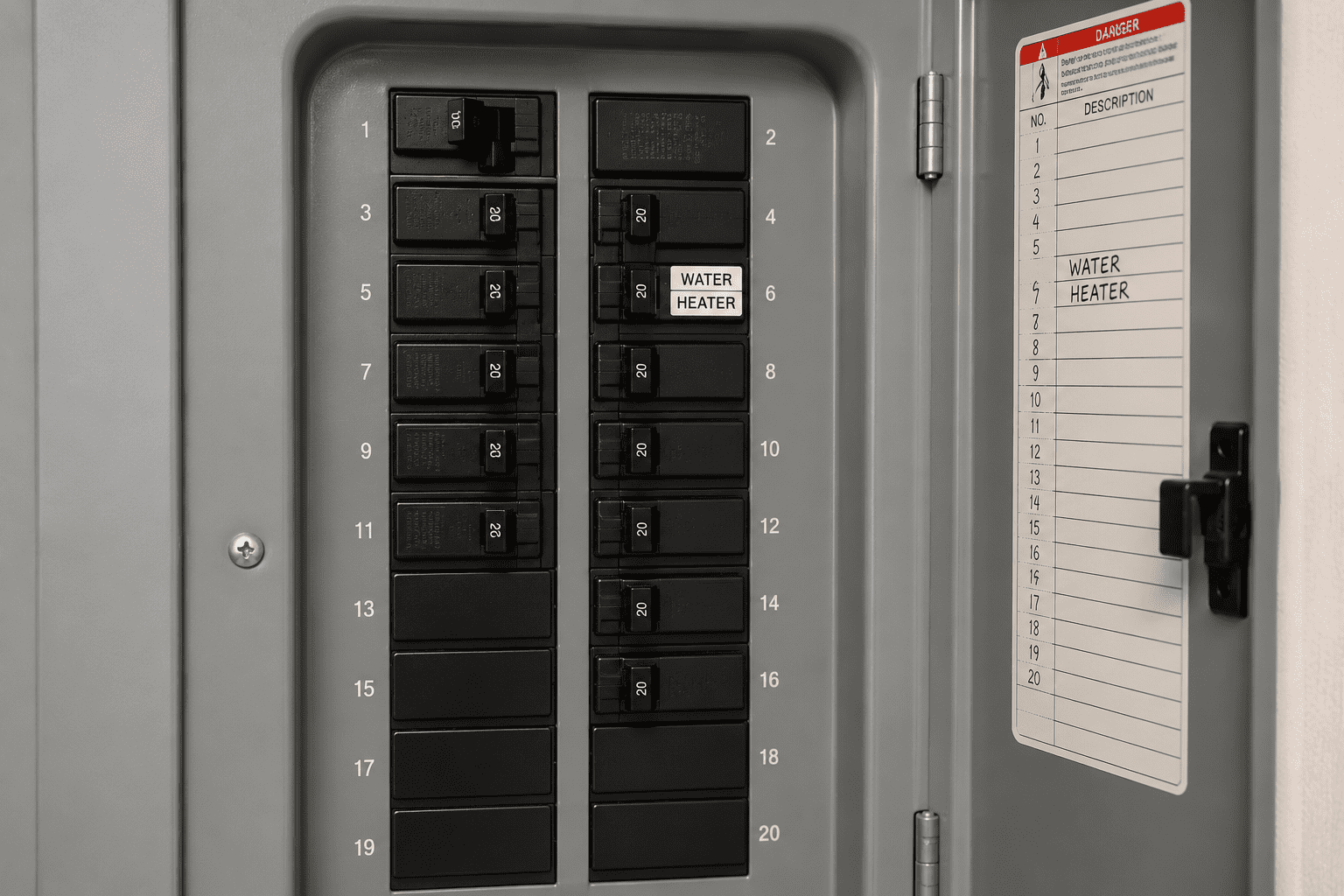
Circuit breakers are designed to protect your home’s electrical system from unsafe operating conditions. When excessive electrical current, overheating, or short circuits occur, the breaker shuts off power to reduce the risk of damage or fire.
Water heater breakers may trip because:
Homes throughout Douglasville, Carrollton, and Bremen with older electrical systems may be more susceptible to recurring breaker problems, especially if multiple high-demand appliances operate on the same panel.
Several mechanical and electrical problems can cause recurring breaker trips. In many Georgia homes, these issues develop gradually as water heaters age and electrical components experience wear from daily use.
Ignoring repeated breaker trips can eventually lead to larger electrical problems, reduced hot water performance, or damage to the water heater itself. Identifying the cause early can help homeowners avoid more expensive repairs and improve overall household safety.
A damaged heating element is one of the leading reasons water heaters trip breakers. Electric water heaters typically use upper and lower heating elements to heat the tank water.
Over time, heating elements can:
When this happens, the element may pull excessive electricity and trigger the breaker as a safety precaution.
Common symptoms include:
In areas like Temple, Winston, and Villa Rica, mineral-heavy water can also contribute to sediment buildup that causes heating elements to overheat prematurely.
The thermostat controls the temperature inside the water heater tank. If the thermostat fails, it may continuously signal the heating elements to run longer than necessary.
This can lead to:
A malfunctioning thermostat can also create dangerously hot water temperatures that place additional stress on the system.
Electrical wiring problems are another common cause of breaker trips in Georgia homes. Older homes in Marietta, Buckhead, and Carrollton may contain aging wiring that deteriorates over time.
Electrical issues may include:
Loose wiring can create heat buildup that causes the breaker to shut off power repeatedly.
Sometimes the issue is not the water heater itself. Older circuit breakers can weaken over time and begin tripping even under normal operating conditions.
Signs of a bad breaker include:
Homes with outdated electrical panels may struggle to support modern household power demands.
Georgia’s climate and weather patterns can place extra strain on plumbing and electrical systems. High humidity levels, seasonal storms, and fluctuating temperatures can all contribute to faster wear on electrical components and water heater parts.
Homes throughout Villa Rica, Douglasville, Carrollton, and surrounding areas may also experience power fluctuations during severe weather that place additional stress on breakers and heating systems.
Humidity throughout West Georgia can contribute to corrosion around electrical components. Water heaters installed in garages, crawl spaces, or unfinished utility rooms are especially vulnerable to moisture exposure.
This may lead to:
Even though Georgia winters are generally mild compared to northern states, colder temperatures still force water heaters to work harder.
Households often use more hot water during:
This added demand can expose existing electrical problems.
Severe weather throughout Douglasville, Buckhead, and Bremen can create electrical surges that damage water heater components and circuit breakers.
After storms, homeowners may notice:
Certain symptoms may indicate serious electrical hazards that require immediate attention. Ignoring these warning signs can increase the risk of electrical fires, water heater failure, or damage to other parts of the home’s electrical system.
Homeowners in Georgia communities should take recurring breaker problems seriously, especially when combined with unusual sounds, burning odors, or inconsistent hot water performance.
A burning smell near the water heater or electrical panel may signal overheating wires or melting insulation.
This could indicate a potential fire hazard.
Leaks around the water heater can create dangerous electrical shorts. Even small amounts of moisture can damage electrical connections over time.
Repeatedly resetting the breaker without addressing the underlying issue can worsen electrical damage and increase safety risks.
Discoloration around breakers, melted plastic, or scorch marks often indicate overheating electrical components.
While most electrical repairs should be handled by professionals, homeowners can safely perform a few basic inspections.
Look for:
Any moisture near wiring should be taken seriously.
Pay attention to whether the breaker trips:
This information may help identify the root cause.
Running multiple large appliances at the same time may overload older electrical systems.
Try limiting simultaneous use of:
If breaker trips decrease, the electrical system may be overloaded.
In some situations, replacing the water heater is more cost-effective and safer than continuing to repair recurring electrical problems. Traditional tank water heaters typically last between 8 and 12 years, and aging systems often begin experiencing multiple failures at once. Older units commonly develop sediment buildup, corrosion, reduced heating efficiency, and recurring electrical problems that place additional strain on the breaker and electrical system.
Extensive internal electrical damage can also make replacement the safer long-term solution, especially if wiring, heating elements, and thermostats have all been affected. In many Georgia homes, newer water heaters offer improved energy efficiency and place less demand on aging electrical systems. Modern systems often include better insulation, faster hot water recovery times, improved safety controls, and lower energy consumption overall.
Routine water heater maintenance can help prevent recurring breaker trips and extend the life of the system. Professional inspections allow technicians to identify worn heating elements, faulty thermostats, loose wiring, sediment buildup, and other electrical problems before they become major repairs. Annual tank flushing is also important because sediment buildup can cause overheating and place extra strain on the system.
In some older homes throughout Georgia communities, electrical panel upgrades may also improve safety and breaker reliability. If your water heater continues tripping the breaker, scheduling a professional inspection from McCoy & Son Heating and Cooling can help prevent further electrical damage and restore reliable hot water.