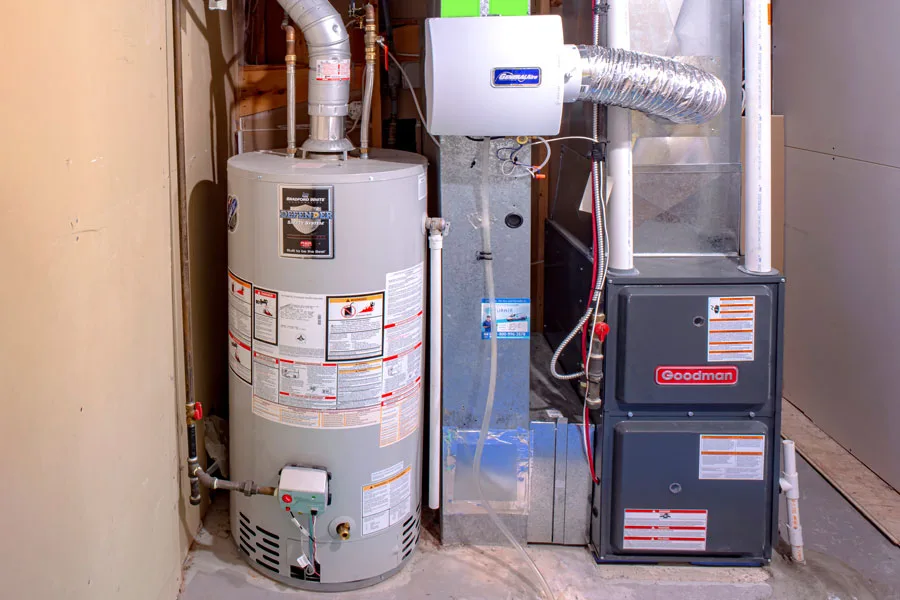
At McCoy and Son Heating and Cooling, we have over 30 years of experience serving homeowners throughout the Villa Rica region with honest advice and quality craftsmanship. One issue we frequently encounter during our service calls is improperly routed furnace drain lines, causing preventable damage to homes. Your high-efficiency gas furnace produces gallons of condensation that must be properly drained away from your equipment and home.
Unfortunately, many homeowners miss the early warning signs of drainage problems until further damage has already occurred, leading to higher energy bills and potential system failure for rerouting your furnace drain. In this article, our expert technicians share the five critical warning signs that indicate your furnace drain needs professional attention before a minor inconvenience becomes a serious problem requiring major repairs in the long run.
When you notice recurring puddles of water around your furnace, it's more than just an inconvenience—it's a clear red flag that your drain system isn't functioning properly. Modern high-efficiency furnaces produce significant condensation, up to several gallons per day during peak operation. This water should flow smoothly through your condensate drain line and away from your equipment. If a water leak is pooling near the unit, it likely means one of several issues:
Beyond the immediate mess, these puddles can cause serious damage to your basement flooring, promote rust on your gas furnace's metal components, and potentially void equipment warranties. Most concerning is that standing water near electrical components and circuit breakers creates a significant safety hazard that could affect your entire heating system.
Your furnace's drainage system should operate silently and efficiently. If you hear strange noises like gurgling, bubbling, or sloshing sounds coming from the drain line, your system is telling you something's wrong, and you may need help rerouting your furnace drain. These sounds typically indicate air being forced through water in the line—a sign of partial blockages or improper venting. More alarming is when water begins backing up into the furnace itself.
This typically happens when condensate can't flow freely through the current drainage path. In high-efficiency furnaces with secondary heat exchangers, this backup can trigger safety switches that shut down your heating system entirely, leading to short cycling or leaving you without heat when you need it most. This constant cycling is often the first sign of drainage problems. The most common causes include:
Furnace condensate contains trace amounts of acids and contaminants that, when combined with improper drainage, create perfect breeding grounds for mold and mildew. If you notice a moldy smell or black, green, or white spotting on walls, flooring, or the furnace itself near the drain line path, you're witnessing a potentially serious health hazard in development. The health implications go beyond unsightly growth. These fungi release spores that can trigger allergies, respiratory issues, and poor indoor air quality problems in sensitive individuals. What makes this particularly troubling is that your air conditioner and heating system fans can actively distribute these spores throughout your home via your air ducts. Look for these warning signs:
Addressing the root cause through rerouting your furnace drain eliminates both the moisture source and the health hazard, improving your indoor air quality.
A properly designed condensate system should provide steady, reliable drainage throughout your gas furnace's operation cycle. If you notice the drain working sometimes but not others, it often indicates fundamental design flaws in the drainage path. Inconsistent flow can manifest as:
These inconsistencies typically stem from marginal design factors—perhaps the slope is barely adequate, the pipe diameter is minimally sized, or the route contains nearly problematic bends. As these marginal factors combine with variable usage conditions, the system intermittently fails. This inconsistency makes troubleshooting particularly frustrating, as the problem may seem to resolve temporarily only to return when conditions change. Without proper drainage, your furnace may not produce as much heat as it should, causing your energy costs and heating bill to rise unexpectedly. A complete rerouting your furnace drain with proper specifications provides the only permanent solution to avoid these higher energy bills.
Homes change over time—renovations happen, foundations settle, and what worked originally may no longer be viable. Your furnace drain may have been perfectly installed initially, but has since been compromised by changes to your home's structure or layout and you need help rerouting your furnace drain. Common scenarios include:
Even minor foundation shifts of less than an inch can transform a properly sloped drain line into one that traps water. Similarly, finishing projects that enclose drain lines in walls makes maintenance impossible and hides developing problems until significant damage occurs. When structural changes render your current drain configuration problematic, rerouting your furnace drain becomes necessary to adapt to your home's new reality while maintaining proper drainage function. A malfunctioning thermostat might seem like the issue when you experience different temperatures throughout your home, but drain problems could be the true culprit, especially in older furnaces.
Identifying these warning signs early can save you from costly repairs, prevent damage to your furnace system, and maintain your home's air quality and comfort. At McCoy and Son Heating and Cooling, we've seen how small drainage issues can escalate into major problems when left unaddressed. In the worst cases, a cracked heat exchanger due to water damage can lead to carbon monoxide leaks—a deadly hazard that makes installing a carbon monoxide detector a good idea for any home with gas appliances.
The yellow pilot light in your gas furnace can also indicate problems that might relate to drainage issues affecting natural gas combustion. The good news is that rerouting your furnace drain is typically a straightforward, cost-effective solution when performed by experienced technicians. Don't wait until water damage affects your home's structure or mold remediation becomes necessary—consider furnace replacement or address these warning signs at the first indication of trouble.
Is your furnace showing any of these warning signs? The expert team at McCoy and Son Heating and Cooling offers free drain system evaluations with any maintenance appointment. Our expert technicians can quickly assess your current setup and recommend appropriate solutions tailored to your home's specific needs. Our repair services include emergency services for urgent situations where cold air is blowing from vents due to drain-related failures.
Call us today at 470-975-9257 to book your appointment. Ask about our seasonal maintenance packages that include condensate system inspections, because at BBB-accredited McCoy and Son, we believe prevention is always less expensive than repair. Don't let a dirty air filter or dirty filter compound your drainage problems; proper maintenance addresses all aspects of your heating system efficiency.