Your home should be your healthiest environment, but poor indoor air quality can trigger allergies, worsen asthma, and cause persistent headaches or fatigue. Many Georgia homeowners don't realize that indoor air can be 2-5 times more polluted than outdoor air, especially during summer when homes stay sealed with air conditioning running constantly.
So, how do you test the air quality in your home effectively? The answer depends on your specific concerns, budget, and whether you're dealing with immediate symptoms or want preventive monitoring. This guide breaks down five proven testing methods that deliver real results, from affordable DIY options to comprehensive professional assessments.
Before choosing a testing method, it helps to know what pollutants commonly affect Georgia homes:
Common Indoor Air Pollutants:
Different testing methods target different pollutants, so identifying your primary concerns helps you choose the most effective approach.

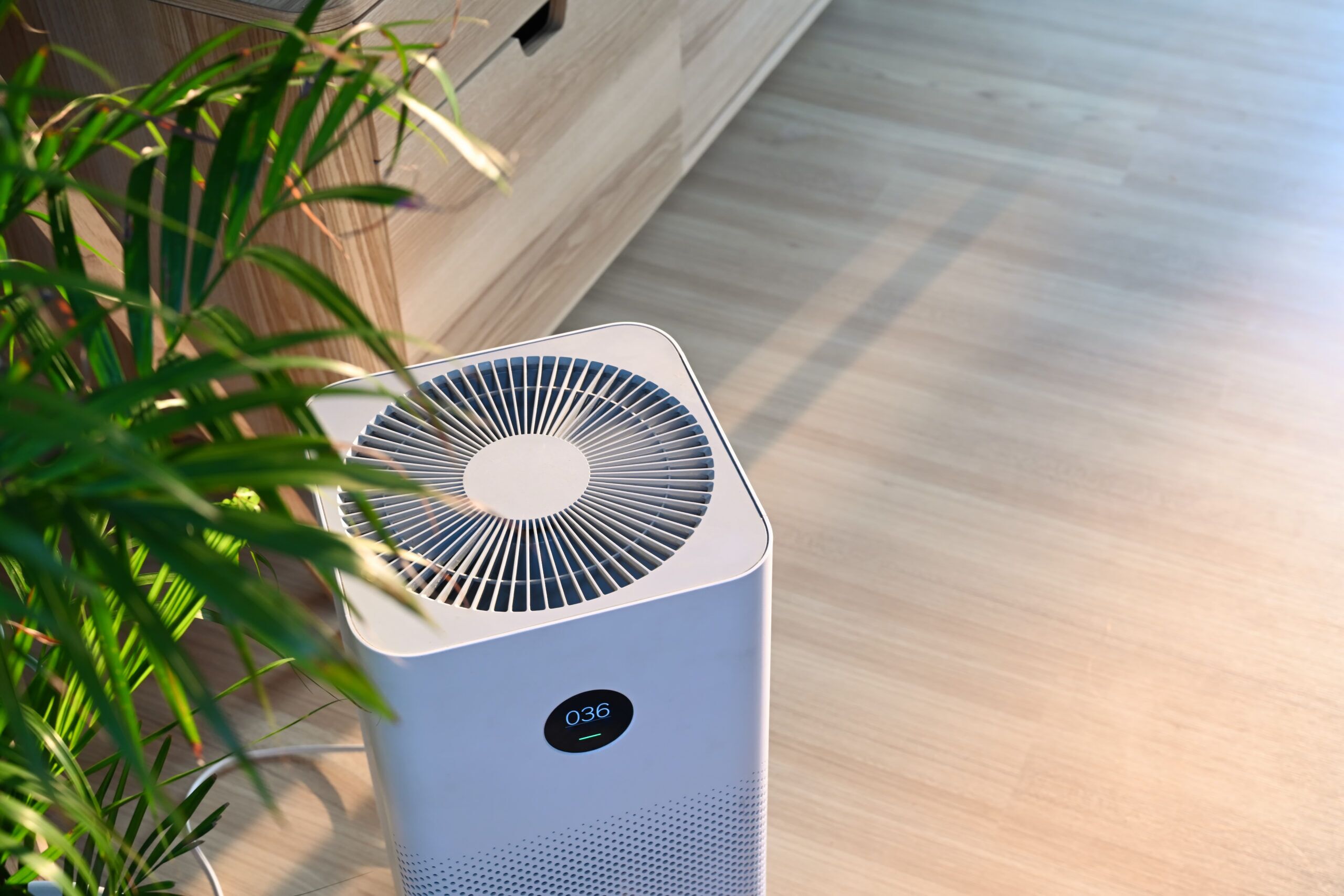
Consumer-grade air quality monitors have become surprisingly accurate and affordable. These devices continuously measure multiple pollutants and provide real-time data through smartphone apps.
What They Detect:
Quality monitors range from $100-$300 and offer the advantage of ongoing monitoring rather than a single snapshot. You'll see how your air quality changes throughout the day, during cooking, after cleaning, or when windows are open versus closed.
Best For: Homeowners wanting continuous monitoring and data-driven insights into their daily air quality patterns.
Professional HVAC technicians use commercial-grade equipment that detects pollutants at much lower concentrations than consumer devices. This comprehensive approach typically includes:
Professional testing costs $300-$500 but provides the most thorough assessment. Technicians can identify issues you might miss, like ductwork contamination or pressure imbalances that pull pollutants from crawl spaces or attics into living areas.
Best For: Homeowners with persistent health symptoms, those buying or selling homes, or anyone wanting a complete baseline assessment.
Consider professional testing if you experience unexplained respiratory issues, suspect mold growth after water damage, smell persistent odors you can't identify, or have family members with asthma or severe allergies. Professional results give you concrete data to guide remediation efforts rather than guessing at solutions.
While not comprehensive air quality tests, carbon monoxide detectors are non-negotiable safety devices. Carbon monoxide is colorless and odorless but deadly, often produced by malfunctioning furnaces, water heaters, or gas appliances.
Modern combination detectors measure both smoke and carbon monoxide, with digital displays showing exact CO levels. Install detectors on every floor, particularly near sleeping areas and within 15 feet of fuel-burning appliances.
Best For: Every home, regardless of other testing methods. This is basic safety, not optional.
Home test kits for specific concerns cost $10-$50 and provide targeted information about particular pollutants. Mold test kits collect air or surface samples that you mail to labs for analysis, returning results within 1-2 weeks.
Allergen test kits can detect dust mites, pet dander, and pollen concentrations. While not as accurate as professional testing, they're useful for confirming suspicions before investing in remediation.
Limitations to Consider:
Best For: Homeowners targeting specific concerns like suspected mold in bathrooms or allergens in bedrooms, especially as preliminary screening before professional testing.
Georgia's climate makes humidity control critical for air quality. High humidity promotes mold growth and dust mites, while low humidity causes respiratory irritation and static electricity.
Basic hygrometers cost $10-$30 and instantly show whether your humidity falls within the ideal 30-50% range. Place monitors in multiple rooms since humidity varies significantly throughout homes, especially between upper and lower floors or rooms with different sun exposure.
Consistent humidity problems indicate HVAC issues like oversized air conditioners that cool quickly without adequate dehumidification, or undersized systems running constantly. Monitoring helps you identify patterns that guide HVAC repairs, adjustments, or upgrades.
Best For: All homeowners as baseline monitoring, particularly those with visible condensation, musty odors, or static electricity issues.

Testing is just the first step. Once you identify air quality issues, solutions range from simple filter upgrades and humidity control to comprehensive air purification systems and duct cleaning. The key is acting on what you discover rather than ignoring persistent problems.
McCoy HVAC Services provides comprehensive IAQ testing throughout Georgia, with 31 years of experience helping homeowners breathe easier. Our 5-star licensed technicians use commercial-grade equipment to identify pollutants and recommend effective, budget-conscious solutions.
We offer free estimates on all IAQ services, including air purification systems, ventilation improvements, and humidity control. Call us today to schedule your indoor air quality evaluation and start breathing cleaner air tomorrow.
Related: How to Treat Bad Air Quality Symptoms: Air Quality 101